2026-10-10 ·
Hail Damage vs. Normal Wear: How to Tell the Difference
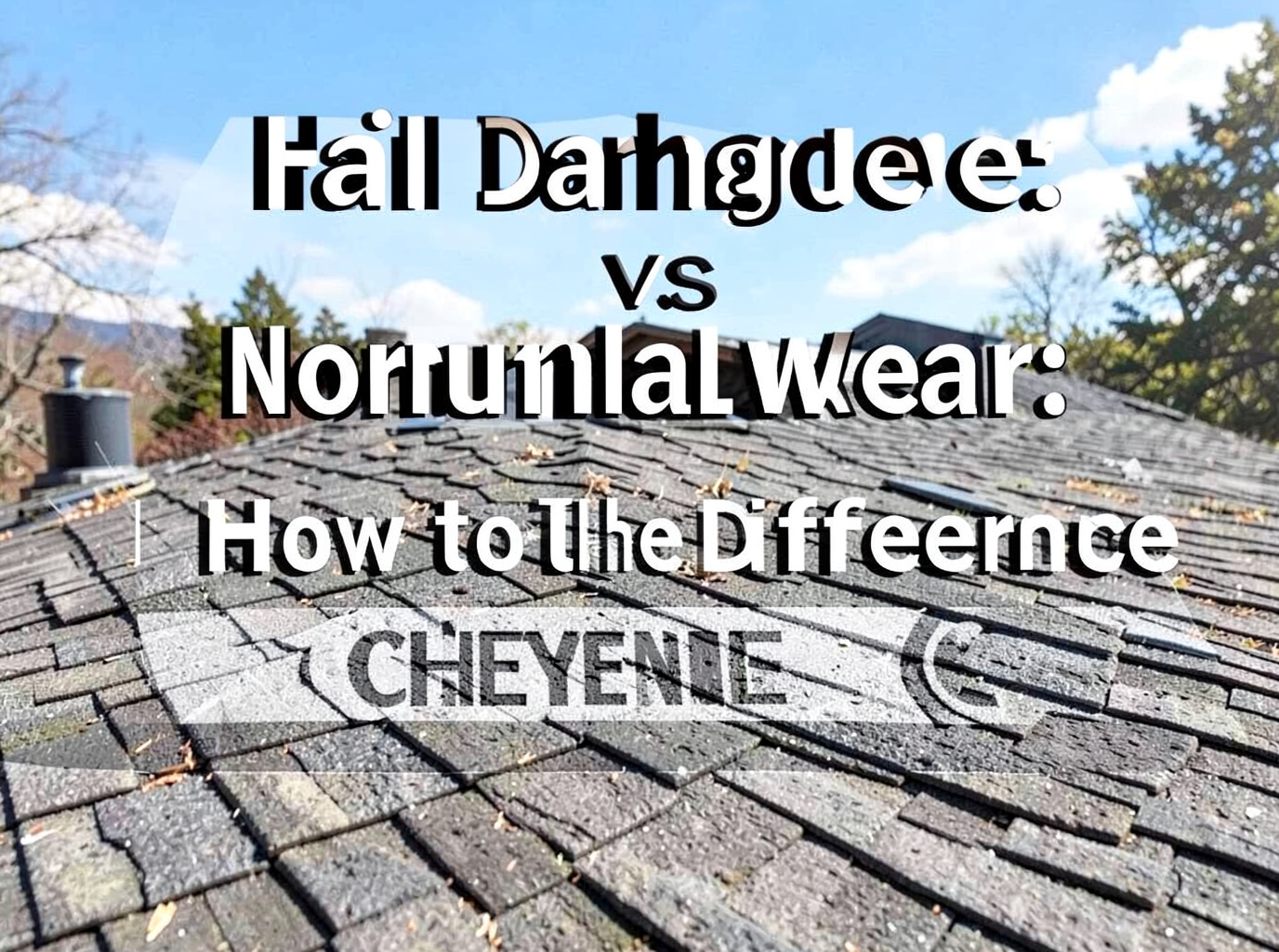
In Cheyenne hail damage creates scattered dents and missing granules on shingles while normal wear produces even cracking and curling after 15-20 years from repeated freeze-thaw cycles in the cold semi-arid climate.
Spotting Hail Damage Patterns
Hail strikes leave irregular marks that do not follow the shingle grain. Look for bruised areas where the surface coating is crushed in spots no larger than a quarter yet scattered across the slope facing the storm direction. In neighborhoods such as Capitol Hill and the Historic District older asphalt shingles show these impacts more clearly because the material has already stiffened from decades of exposure. Walk the roof at dawn when low light casts shadows into dents that sunlight hides. Check metal flashings around chimneys for similar pockmarks that normal aging rarely produces. When hail punctures through to the felt layer water enters quickly and creates leaks that require prompt roof leak repair before insulation soaks. Compare the damage to undamaged slopes on the north side of the house to confirm the pattern is not uniform aging. Document each mark with close-up photos that include a ruler for size reference before calling an inspector.
Recognizing Normal Wear in Local Homes
Normal wear appears as consistent cracking across every shingle tab after years of ultraviolet exposure and winter contraction. In East Cheyenne and North Cheyenne many homes built before 1990 show curled edges and loss of surface granules in straight lines rather than random clusters. The cold winters accelerate this process because temperatures drop below freezing for weeks and then warm rapidly in spring causing the asphalt to expand and contract repeatedly. Check the valleys and eaves first because water flows concentrate there and speed granule loss. Measure the remaining mineral coating thickness with a fingernail scrape test on several tabs; uniform thinning across the roof points to age rather than storm impact. Homes near the Cheyenne Botanic Gardens often face extra sun reflection from open fields which shortens shingle life by a few years compared with shaded lots in Lakeview. When cracks reach the felt layer leaks begin at seams and fastener holes long before any hail event occurs.
Cheyenne Climate Effects on Both Conditions
The region's cold semi-arid climate produces hail in late spring and early summer while winter brings repeated freeze-thaw cycles that fatigue shingles. Storms tracked from the southwest often hit South Cheyenne and West Cheyenne hardest leaving distinct damage lines that stop at roof ridges. Normal wear advances steadily because low humidity dries out the asphalt binder year-round. In Laramie County wind-driven hail can also reach nearby towns like Burns and Carpenter where the same roof types suffer identical patterns. These weather realities mean inspectors must separate storm marks from the background aging that occurs on every roof after the first decade. When leaks appear after a hail event check whether the water entry points align with random dents or with the older cracked tabs that were already failing. The distinction guides whether insurance or routine maintenance covers the roof leak repair.
Practical Assessment Steps Before Repair
Start with a ground-level view using binoculars to count visible dents versus cracked tabs. Move to the attic and look for daylight pinpoints that indicate hail punctures rather than the longer splits typical of aged shingles. Photograph the entire roof from multiple angles including close-ups of the Wyoming State Capitol area homes for comparison if you live nearby. Note any soft spots in the decking that signal water has already penetrated. If damage appears mixed schedule a visit from a local roofer who works regularly in Sunnyside and the Historic District. Share your findings with your insurer using the photos and measurements. For immediate water intrusion follow the guidance in What to Do When Your Roof Is Leaking Right Now while you arrange inspection. Review coverage details in Can You Claim a Roof Leak on Insurance After a Storm? to understand documentation requirements. When hail is confirmed compare notes with the patterns described in How Windstorms and Hail Damage Roofs in Cheyenne before authorizing work.